
Fire safety is a fundamental part of workplace health and safety. Every South African employer has a legal responsibility to provide and maintain a working environment that protects employees, contractors, visitors, and members of the public from fire-related risks.
Meeting these responsibilities requires more than simply installing fire extinguishers. Employers need to take a holistic approach to fire safety by identifying fire risks, implementing appropriate control measures, maintaining firefighting equipment, preparing for emergencies, and ensuring that employees understand their role should a fire occur.
This guide outlines the key fire safety legal requirements that employers should be aware of and explains how businesses can build a safer, more compliant workplace.
Fire has the potential to cause serious injury, loss of life, property damage, and significant business disruption. For this reason, workplace fire safety forms an important part of occupational health and safety management.
A proactive fire safety programme helps organisations to:
Rather than viewing fire safety as a once-off compliance exercise, organisations should incorporate it into their overall health and safety management system.
Employers are responsible for providing and maintaining a workplace that is safe and without risk to those who work there or may be affected by workplace activities.
As part of an effective fire safety programme, organisations should ensure that they:
Together, these measures help organisations prepare for fire emergencies while supporting legal compliance.
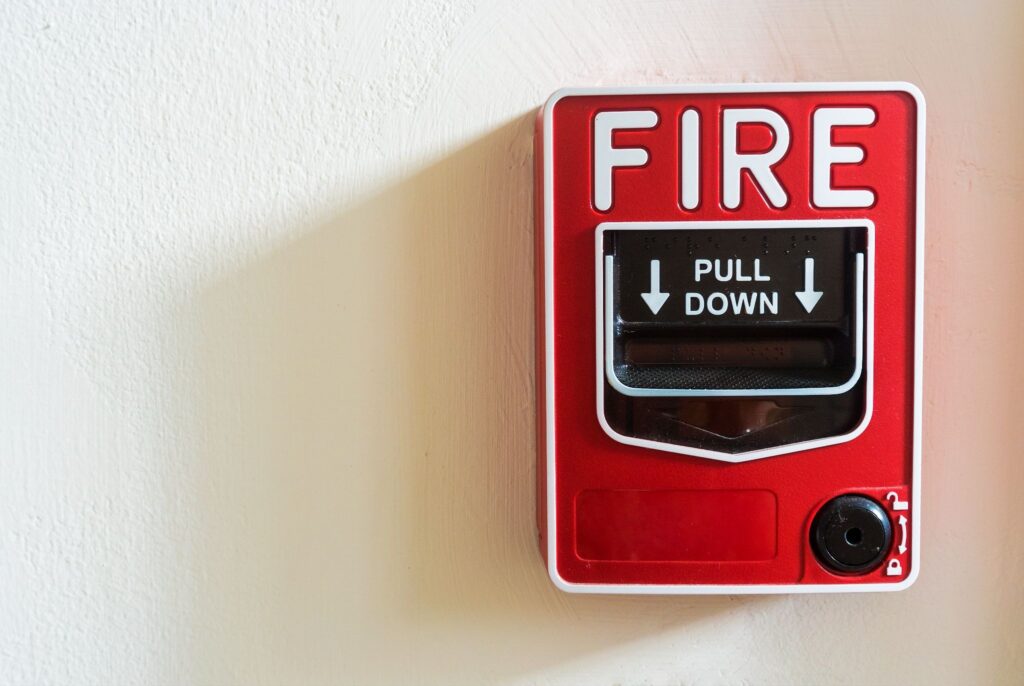
Every workplace presents different fire hazards. The equipment, materials, processes, and layout of a facility all influence the level of fire risk. Conducting fire risk assessments enables organisations to identify potential hazards and determine the controls needed to reduce those risks.
The findings of a fire risk assessment influence important decisions such as:
Fire risk assessments also help businesses prioritise improvements and identify potential compliance gaps before they become serious safety concerns.
Effective fire safety extends beyond preventing fires. Employers should also ensure that people know how to respond if a fire occurs.
An effective emergency preparedness programme may include:
Regular reviews and practical evacuation drills help ensure that emergency procedures remain effective and familiar to employees.
Providing appropriate firefighting equipment is an important legal responsibility for employers.
Equipment should be suitable for the hazards present within the workplace, positioned where it can be easily accessed during an emergency, and maintained in good working order.
Depending on the workplace, firefighting equipment may include portable fire extinguishers together with other emergency fire equipment appropriate to the identified risks.
Fire extinguishers remain one of the most recognisable components of workplace fire safety, but compliance involves more than simply installing them. Fire extinguisher regulations are supported by a combination of national legislation, South African National Standards (SANS), and municipal fire safety by-laws.
Key requirements include:
Employers should also be aware that local municipalities may enforce additional fire safety by-laws relevant to their area.
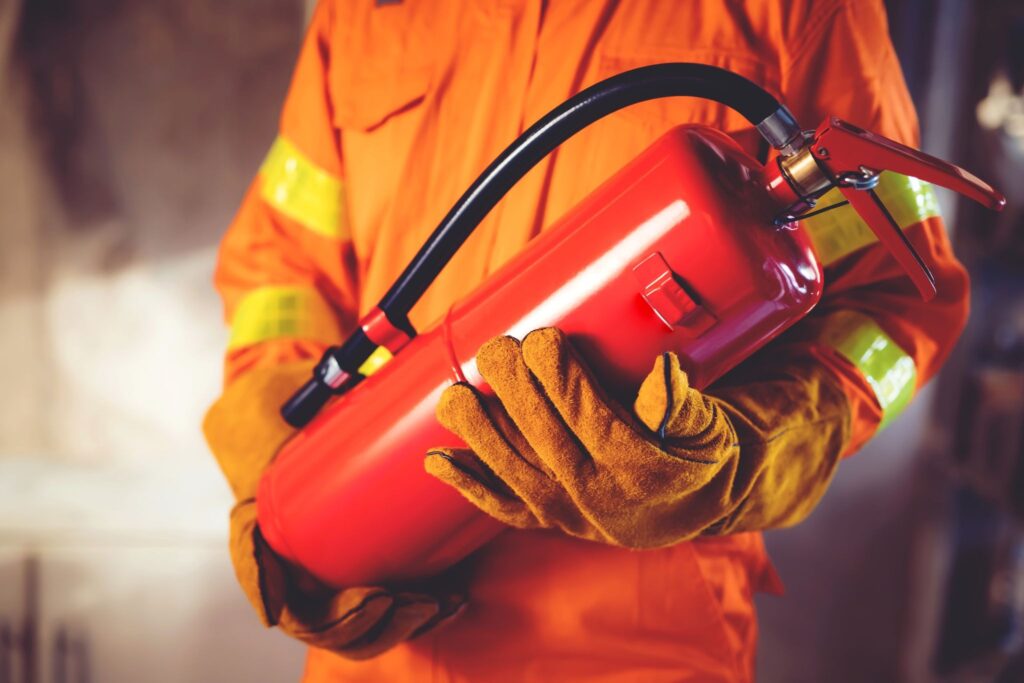
Firefighting equipment should be routinely inspected and professionally maintained to ensure it remains ready for use. Fire extinguishers should be serviced by an SAQCC-registered and accredited firefighting equipment servicing company on an annual basis, and businesses should retain servicing records and Certificates of Compliance.
Maintaining accurate records helps demonstrate that firefighting equipment has been properly maintained and may assist during workplace audits, inspections, or insurance processes.
Fire safety equipment is most effective when employees understand how to respond during an emergency. Depending on the workplace and identified risks, organisations should consider providing appropriate fire safety training and appointing trained Fire Wardens to support emergency preparedness.
Combined with regular fire and evacuation drills, training equips Fire Wardens to respond confidently and appropriately should a fire occur.
Workplaces change over time. New equipment, altered layouts, additional staff, and changing operational activities can all affect fire safety requirements.
Regular reviews of workplace fire safety arrangements help organisations identify compliance gaps, maintain emergency preparedness, and ensure that firefighting equipment and procedures remain appropriate for current workplace risks.
Use the following checklist as a starting point for reviewing your workplace:
Managing workplace fire safety involves much more than maintaining firefighting equipment. It requires a structured approach that forms part of an organisation’s overall occupational health and safety programme.
Absolute Health Services supports businesses through comprehensive OHS equipment assessments, during which an OHS Practitioner or SAQCC-registered fire equipment servicing technician evaluates workplace emergency and OHS equipment, identifies potential compliance gaps, and provides practical recommendations for improvement.
For organisations seeking a broader view of workplace compliance, our comprehensive OHS compliance assessments evaluate the compliance rating of your overall health and safety management system, helping you identify areas requiring attention beyond fire safety alone.
