
A typical workday begins smoothly, until a spark, a faulty plug, or an overlooked hazard turns routine into crisis. Office fires strike without warning and can cause devastating harm to people, property, and productivity. That’s why understanding fire safety regulations in South Africa and implementing practical fire prevention strategies is a critical part of responsible business management.
South African legislation like the Occupational Health and Safety Act 85 of 1993 and local Municipal by-laws guided by the National Building Regulations require employers to create and maintain a workplace that is free from fire hazards. Prevention is not just about compliance, it’s about building a safety-first culture that protects lives and operations.
Here are five essential fire prevention tips every business owner, Health & Safety Officer, and Fire Warden should consider when improving fire safety in the workplace.

The first step in fire prevention at work is understanding your legal obligations. South Africa’s fire safety regulations outline the standards businesses must meet to ensure workplace safety, including:
A comprehensive risk assessment identifies potential ignition sources and flammable materials – allowing you to mitigate hazards before they lead to an emergency. Regular reviews are equally important as offices evolve with new equipment and changing layouts.
Adhering to fire safety regulations in South Africa not only prevents accidents but also shows your organisation’s genuine commitment to staff wellbeing and compliance.
Good housekeeping is one of the simplest yet most effective ways to prevent fire. Cluttered areas and unattended waste provide fuel for flames, while blocked exits or overloaded electrical sockets increase fire risks dramatically.
Follow these fire prevention safety tips for your office:
Clean environments reduce flammable materials, making it one of the most affordable and effective fire safety tips available.
Early detection saves lives. Properly installed fire alarms and fire extinguishers are your first defence against fire. South African fire safety regulations require all commercial buildings to have functional fire detection and suppression systems, including:
All fire detection systems must be tested weekly, serviced regularly, and logged in your Health and Safety File to demonstrate legal compliance.
Tip: Keep a record of all equipment tests and training in line with Occupational Health and Safety Act requirements. This documentation protects your organisation during inspections and audits by local authorities or the Department of Employment and Labour.
Even the most advanced fire systems are ineffective without trained employees. Fire prevention starts with informed action: staff must know how to prevent fire, and how to act if one occurs.
Regular fire safety training ensures everyone understands:
Routine fire drills help employees respond quickly and confidently, reinforcing a proactive safety culture. When training becomes routine, fire prevention in the workplace transforms from a compliance exercise into daily instinct.
In an emergency, a clear, rehearsed evacuation plan saves lives. Every office should have a fire evacuation plan compliant with South African safety regulations and building codes.
Your plan should include:
Schedule evacuation drills at least twice a year to test readiness. Rotating the timing of drills ensures all employees, including flexible or shift workers, are prepared. The goal is to practise calm, fast, and coordinated evacuations.
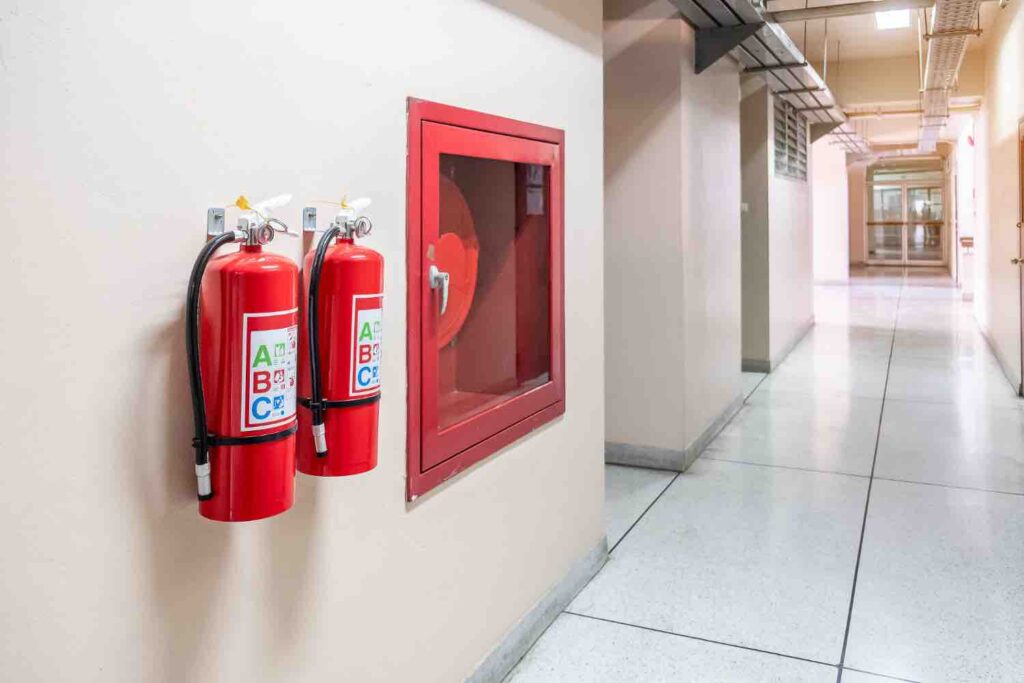
Fires don’t just destroy assets, they damage trust, cause business interruptions, and can lead to severe injuries or fatalities. A company that prioritises fire prevention and workplace safety also strengthens its compliance under South African health and safety legislation.
The benefits of effective fire safety management include:
Fire prevention is far more cost-effective than recovery. For every rand spent on prevention, businesses save thousands in potential damages and downtime.
Implementing these five fire prevention tips isn’t just about ticking compliance boxes — it’s about protecting people, property, and productivity. A safe, compliant workplace builds trust and shows employees that their wellbeing matters.
Stay informed, stay prepared, and make fire safety part of your company culture.
If you’re unsure of where your organisation stands, partner with the experts. Absolute Health Services provides accredited occupational health and safety consulting, risk assessments, and compliance assessments aligned with South Africa’s fire safety regulations and the Occupational Health and Safety Act 85 of 1993.
Secure your workplace today. Protect lives, meet regulations, and create a safer tomorrow.
